

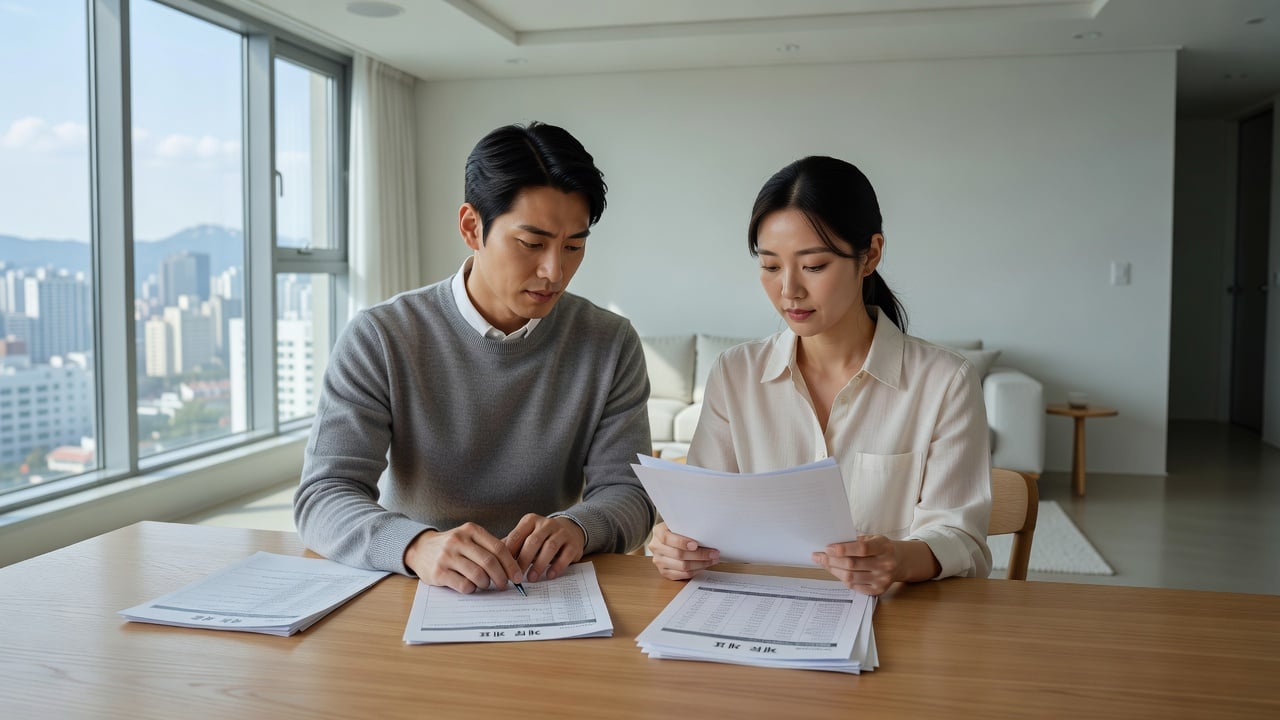
South Korea jeonse lets tenants live rent-free by paying a large deposit returned later. This popular system carries hidden risks like lost investment gains and market dangers for millions of renters.
In South Korea the jeonse rental system works in a unique way. Tenants hand over a large deposit often worth hundreds of thousands of dollars to the landlord. They live in the home for two years or more without any monthly rent payments. At the end of the lease the full amount returns to the tenant. This method has supported housing needs for many families over decades and avoids ongoing rent burdens.
Yet the approach brings several hidden costs that often go unnoticed at first. The deposit money sits idle instead of earning interest or other returns through investments. Rising inflation can quietly reduce its real value over time. When housing prices drop landlords may face trouble returning the full sum which leaves renters exposed to serious losses and legal fights.
This setup functions somewhat like a form of social security for housing needs but it demands a high price in tied-up capital and market risks. As economic conditions shift experts question if jeonse can stay practical for younger generations. Many now seek other rental options to avoid these long-term drawbacks in an uncertain property market.
Original Author: Athan Clark | Source: FEE

 167.134 SRY