
AI can write in seconds, which makes a simple question harder: who published this, and when. A clear public record of authorship helps readers and creators when bylines get easy to fake or blur. On Serey, blockchain publishing stays optional if you want an on-chain trail for a piece.
Generative tools can draft a post in seconds. That speed is useful, and it also makes a simple question harder to answer: who published this, and when. Readers, platforms, and creators all need a clearer trail than a byline that anyone can paste into a prompt.
Across the industry, publishers and research groups are testing watermarks, content credentials, and other provenance signals. None of those systems is universal yet. What still helps is a public, time-stamped record tied to a known account, so the work can be checked later without relying on memory or screenshots alone.
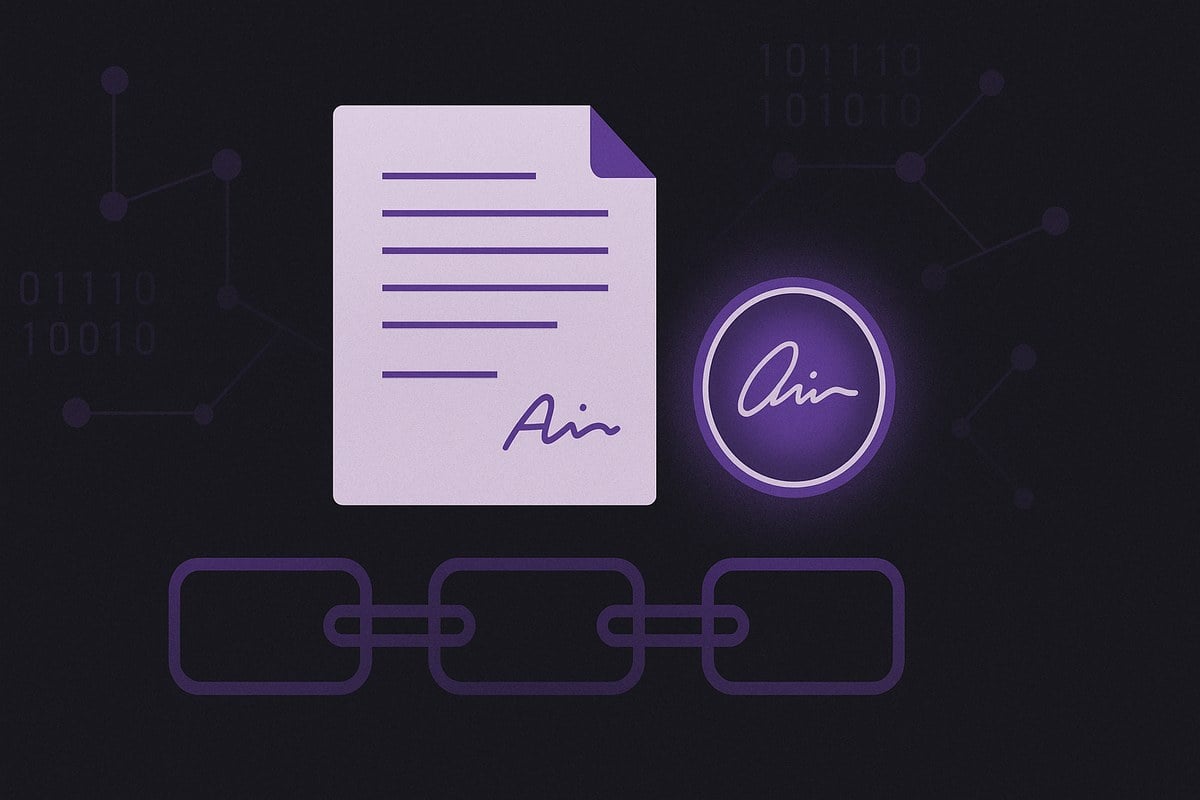
On Serey, blockchain publishing is optional. You can turn it on when you want a stronger on-chain trail for a piece, and leave it off when you do not. Formats stay familiar—blog, video, podcast, and webshop—so the authorship question sits next to the work, not in a separate tool.
Proof of authorship will not settle every dispute about AI-assisted writing. It does give readers and creators a clearer place to look when the byline gets noisy.

 0.000 SRY