
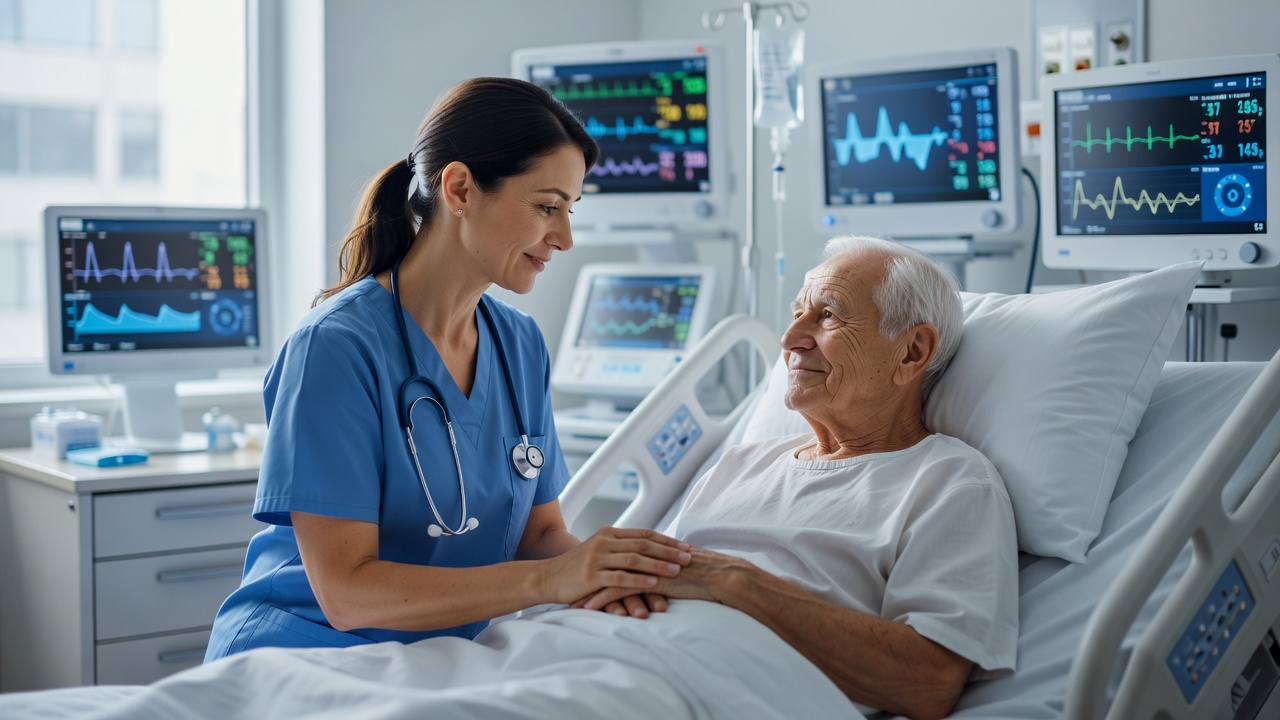
Modern medicine now uses AI, robots, and remote care to save lives. Yet these tools may be pushing doctors away from patients. The personal connection that once defined healing is fading fast in busy hospitals.
In recent decades, medicine has changed in big ways. Intensive care units once had simple rooms with oxygen, monitors, and a doctor's careful eye. Now, artificial intelligence can warn of problems early, bedside scans guide quick choices, and robotic arms help surgeons work with great skill. Telemedicine brings top experts to patients far away. These steps have helped many people live longer and recover better.
Still, something vital is being lost along the way. Doctors often stare at screens instead of looking into a patient's eyes. The quiet time spent listening and offering comfort grows shorter each year. People in beds may feel more like cases on a chart than human beings who need warmth and real attention.
A wise path forward keeps both sides in view. New machines should aid care without taking the place of a steady hand or kind word. Training for new doctors must stress both high-tech skills and the value of being fully present. This way, medicine gains power while holding onto its heart.
Original Author: Joseph Varon | Source: Brownstone Institute
 161.652 SRY